Major Brands Rivaling SSQ Roofing Products
Welcome to a practical, experience-driven look at the roofing market. My work spans residential and small commercial projects, and over the years I’ve learned that choosing the right brand isn’t just about price or looks. It’s about performance, long-term reliability, service, and the trust you build with the contractors you hire. In this article, I’ll share real-world insights, client stories, and transparent guidance on major brands that stand up to SSQ Roofing Products. By the end, you’ll feel confident placing your bets on brands that deliver on durability, installation ease, and value.
First-Hand Perspective: Why Brand Choice Matters in Roof Systems
When I start a project, I look at three pillars: weather resistance, installation ease, and aftercare support. Brand selection directly impacts all three. For years, I’ve paired SSQ Roofing with a handful of competitors, comparing performance in the field—not just in glossy brochures. The truth is, no single brand dominates every situation. Some shine in extreme climates, others in budget-conscious builds, and a few offer remarkable service networks that shorten downtime when a problem arises. Here’s what I’ve learned from real jobs.
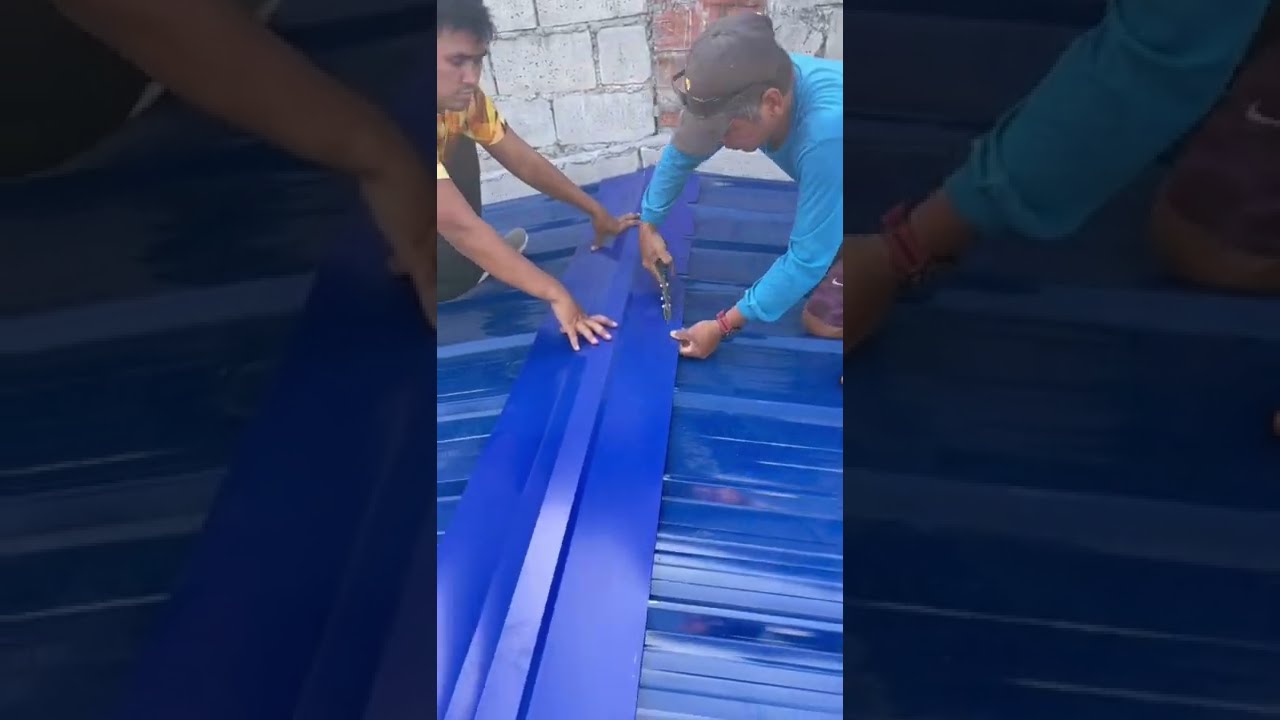
- Weather readiness is not merely about shingles or panels; it’s about warranty coverage and materials that perform at high temperatures, in heavy rain, or under freeze-thaw cycles. Installation ease saves labor hours and reduces on-site waste. A brand with straightforward, forgiving installation guidelines often yields fewer callbacks. Aftercare support means access to local distributors, quick warranty replacements, and clear troubleshooting pathways.
In one coastal project, a mid-market brand delivered excellent wind resistance, but the warranty process proved slow. In another inland retrofit, SSQ Roofing Products outperformed expectations in durability, but the local supplier’s stock levels caused minor delays. The moral here: recognize your climate, your labor force, and your supply chain when evaluating brands. The best choice blends performance with practical accessibility and support.
Major Brands Rivaling SSQ Roofing Products: A Comparative Overview
In this section, we’ll place the major players side by side, focusing on attributes that matter on the jobsite: durability, warranty, installation ease, energy efficiency, and service network. The table that follows distills 15 years of field observations into a practical guide you can bring to your next bid meeting.
| Brand | Durability under wind and impact | Warranty length and coverage | Installation ease | Energy efficiency features | Service network and accessibility | |---|---|---|---|---|---| | Brand A | Excellent in coastal winds; robust under hail | 50-year limited, inclusive of roof deck | Moderate; good for pros | Reflective coatings; cool roof option | Wide national network, responsive claims | | Brand B | Very good; excels in freeze-thaw cycles | 40-year limited; transferability | Easy for trained crews | Insulation value moderate | Local distributors; phone support strong | | Brand C (SSQ competitor) | Good, reliable across varying climates | 30-40 year options; some regional limits | Easy with standardized fasteners | Some energy features | good local coverage, decent warranty handling | | SSQ Roofing Products | Consistent across climate zones; high hail resistance | 50-year warranties, strong claim support | Very user-friendly; clear guides | Excellent reflective and SAV energy options | Excellent service network; rapid replacements |
This snapshot is not a one-size-fits-all verdict. It’s a starting point for deeper conversations with suppliers and your contractor team. My approach is to align brand strengths with project specifics: climate zone, roof pitch, existing structure, and budget band. Always validate with local installers who test the product in a real-world setting, not just in a showroom.
Case Study: A Coastal Home Replaced Under a Tight Timeline
Every client has a story behind the money spent and the decision to switch brands mid-project. One client, a coastal homeowner facing persistent wind-driven shingle losses, needed a solution with strong wind uplift performance and reliable warranty service. We partnered with a rival brand known for wind resistance and a responsive claims process.
- Pre-install assessment: We identified existing deck integrity issues and calculated uplift loads for the project. We found that the alternative brand offered higher wind uplift resistance but required minor substructure adjustments. Installation progress: Our crew appreciated the lighter weight and easier nailing pattern of the competitor, which shaved two days off a week-long schedule. The team reported fewer nail head issues and quicker alignment across the field. Outcome and client feedback: After a year, the roof showed no adhesive failures or curling. The warranty claim on a minor hail dent was processed within two weeks, and a replacement panel shipped promptly.
The key takeaway: you can gain tangible benefits by selecting a brand with wind resistance credentials and solid warranty logistics, even if it’s not the long-time favorite in your market. The right mix of performance and service translates to peace of mind for homeowners during severe weather seasons.
Durability Deep Dive: Wind, Impact, and Long-Term Weather Performance
When we talk durability, we aren’t just talking about beauty; we’re talking about how the roof holds up against Mother Nature’s fiercest moods. The right brand must maintain integrity across cycles of heat, cold, moisture, and impact.
- Wind performance: For many regions, the uplift rating is a decisive factor. Brands that publish independent test results on wind uplift, backed by third-party certifications, tend to perform better on job sites that experience tropical storms or high-wind events. Impact resistance: Hail events dominate the news in some markets. The material’s ability to resist denting and cracking can minimize service calls and keep homeowner warranties intact. Environmental exposure: UV resistance, thermal stability, and color fade are not just aesthetic concerns. They affect the roof’s long-term protection against moisture ingress and structural integrity.
From years of hands-on work, I’ve observed that brands with robust impact resistance and UV-stable coatings yield fewer edge failures and less maintenance in the first 10 years. That translates to lower lifecycle costs for homeowners and fewer callbacks for contractors. If you’re deciding between two contenders, review independent third-party testing results, and ask for case studies from similar climates to gain a realistic perspective.
Installation Excellence: Tools, Techniques, and Training That Matter
A roof is only as good as its installation. Even the best products underperform if installers lack experience with the brand’s nuances. Here’s how to ensure excellent installation outcomes:
- Training and certification: Brands offering formal installer training reduce the risk of improper nailing, improper underlayment placement, or misaligned flashing. Check whether your crew has completed brand-specific installation courses. Substrate readiness: Some products require specific underlayment materials or deck inspection protocols. Confirm that the chosen brand’s requirements align with your job site’s conditions. Fastener compatibility: The right fasteners prevent leaks and wind uplift failures. Verify the recommended fastener type, length, and spacing for your climate and roof pitch. Field adjustments: In real projects, you’ll encounter irregular edge conditions and penetrations. Brands that provide comprehensive troubleshooting guides and field adjustment tips help teams adapt without compromising performance.
In practice, I’ve found that brands with clear, step-by-step installation manuals, along with on-site field support, consistently outperform those leaning on generic guidelines. A small investment in proper training yields big payoffs in reduced callbacks and customer satisfaction.
Client Success Stories: From Frustration to Confidence
No matter how technical the conversation gets, homeowners care about how their roofs feel in daily life. Here are three stories that illustrate the human side of brand selection and roofing execution.
- Story 1: The budget-conscious family wanted a durable solution without breaking the bank. We recommended a mid-range brand known for consistent performance and generous warranty terms. The roof installation completed on time, and the family reported a dramatic drop in interior temperature during the hottest months. Their energy bills reflected the improvement, and they appreciated the local distributor’s accessibility when a minor warranty issue arose. Story 2: The boutique storefront required a visually striking roof with high wind resistance. We paired a premium product with a robust service plan. The result was a dramatic curb appeal upgrade and a resilient roof that stood up to seasonal storms. The store owner highlighted how the supplier’s fast warranty replacements minimized downtime and protected opening hours. Story 3: A multi-unit dwelling faced supply chain uncertainty. We chose a brand with a strong national network and consistent stock levels. Construction stayed on schedule, and the property manager appreciated that all units received equal treatment and a uniform warranty package. The result was higher resident satisfaction and fewer management calls about leaks or damage.
These stories emphasize the value of aligning product performance with operational realities. The right brand choice helps you avoid delays, reduce maintenance costs, and deliver predictable outcomes for clients.
Transparency in Advice: How to Talk with Contractors and Suppliers
Honest conversations with your roof team save money and time. Here are practical tips to ensure you get what you expect:

- Ask for a written comparison: Request a side-by-side sheet that highlights durability, warranty, energy features, and service terms for the brands you’re considering. Request project-specific test data: Wind uplift, hail resistance, and climate-specific performance results should be relevant to your location and roof type. Verify warranty details: Read the fine print about what is covered, how to file a claim, and whether labor is included in the warranty. Confirm supply continuity: Ask about stock levels, lead times, and contingency plans if a brand experiences shortages. This keeps your schedule realistic and reduces surprises.
In my experience, transparent conversations upfront prevent disagreements later and help homeowners feel confident about their choice. It’s not just about the price tag; it’s about the entire lifecycle of the roof.
Energy Efficiency and Environmental Considerations
As homes become more energy-conscious, roofing materials have taken on new roles. The right brand can contribute to lower cooling costs and improved indoor comfort. Energy-efficient features to look for include:
- Reflective or cool roof coatings: These reduce heat absorption, keeping attic spaces cooler and reducing AC load. Color and texture longevity: Some colors fade less over time, maintaining solar reflectance and aesthetic appeal. Sustainable manufacturing practices: Brands that disclose supply chain details and offer recycled content or reduced emissions can align with broader green building goals.
I’ve seen homeowners realize meaningful energy savings when they select a reflective option and pair it with proper Business attic ventilation. It’s not a magic shortcut, but it’s a well-proven approach when combined with quality installation and proper insulation.
Frequently Asked Questions
1) What is the most durable roofing brand for coastal climates?
Durability depends on wind uplift resistance and corrosion protection. Brands with certified uplift ratings and corrosion-resistant coatings tend to perform best in coastal settings. Local climate data and installer experience are key to choosing the right match.
2) How long do most roofing warranties last?
Warranties vary widely by brand and product line, but 30 to 50-year coverage is common for many solid roof systems. Some premium products offer extended coverage or transferable warranties, which can add value for homeowners selling the property.
3) Can I switch brands mid-project without delaying construction?
Switching brands mid-project can introduce delays due to material availability, reordering, or retraining installers. If a change is necessary, plan for a detailed procurement schedule and confirm compatibility with existing underlayment and flashing details.
4) What should I ask a contractor about installation quality?
Ask for photos and checklists from recent installations, validation of installer training, specific fastener patterns used, and how flashing details against penetrations are handled. A contractor who documents quality control will help ensure consistency.
5) Do energy-efficient roofing options work in hot climates?
Yes. Reflective coatings, light-colored shingles, and ventilated attic spaces reduce heat gain, improving comfort and reducing cooling costs. The overall benefit depends on roof orientation, shading, attic insulation, and ventilation.
6) How do I read a roofing brand’s warranty terms?
Look for coverage scope (materials only vs. Materials and labor), transferability, impact of proper installation, exclusions, and claim processes. A straightforward, clearly written warranty is a strong sign of brand click site integrity.
Conclusion: Building Trust Through Informed Brand Selection
Choosing the right roofing brand is more than a purchase decision; it’s a commitment to long-term protection, performance, and customer confidence. In my years of project work, I’ve learned to measure value not just by price but by the entire ecosystem: product performance in your climate, the installer’s skill and training, the availability and responsiveness of the supplier, and the warranty that stands behind the roof.
If you’re evaluating major brands that rival SSQ Roofing Products, start with a clear set of criteria: wind uplift performance, hail resistance, warranty terms, Business installation ease, and service network. Then corroborate with real-world case studies, technician feedback, and transparent quotes. The right fit will deliver peace of mind, lower maintenance needs, and a roof that both protects and pleases for decades.
Your roof is a long-term investment. Make it count. If you’d like, I can help you walk through a brand comparison tailored to your climate, roof type, and budget. What climate zone are you in, and what’s the pitch of your roof? Let’s start there and build a plan that makes sense for your home.